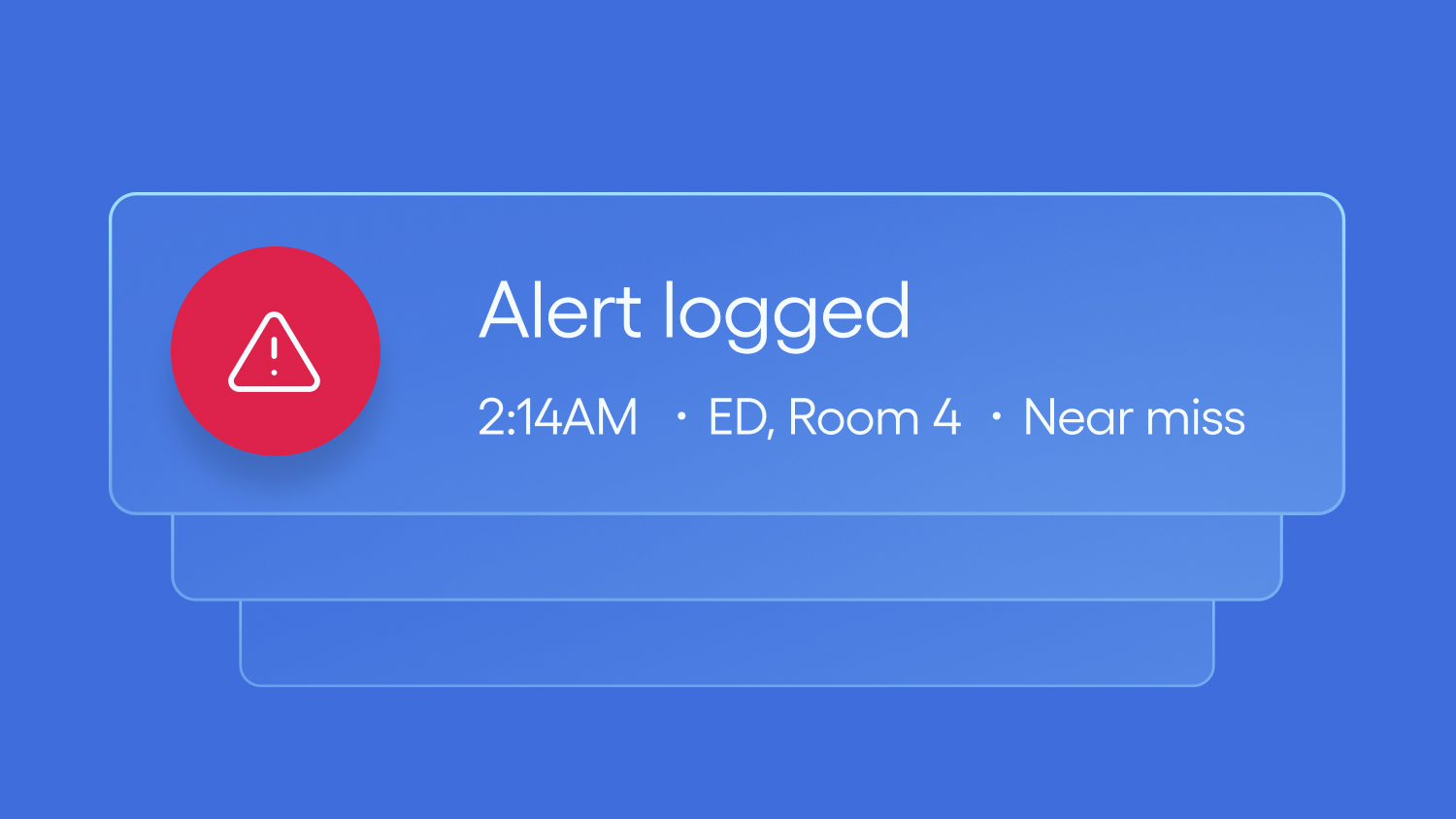
The Anatomy of a Near Miss in Healthcare
Near misses are far more than "non-events"; they are the invisible backbone of a healthy safety culture.


Trusted by leading healthcare organizations, our safety platform provides support, real-time insight, and a feeling of safety teams trust.
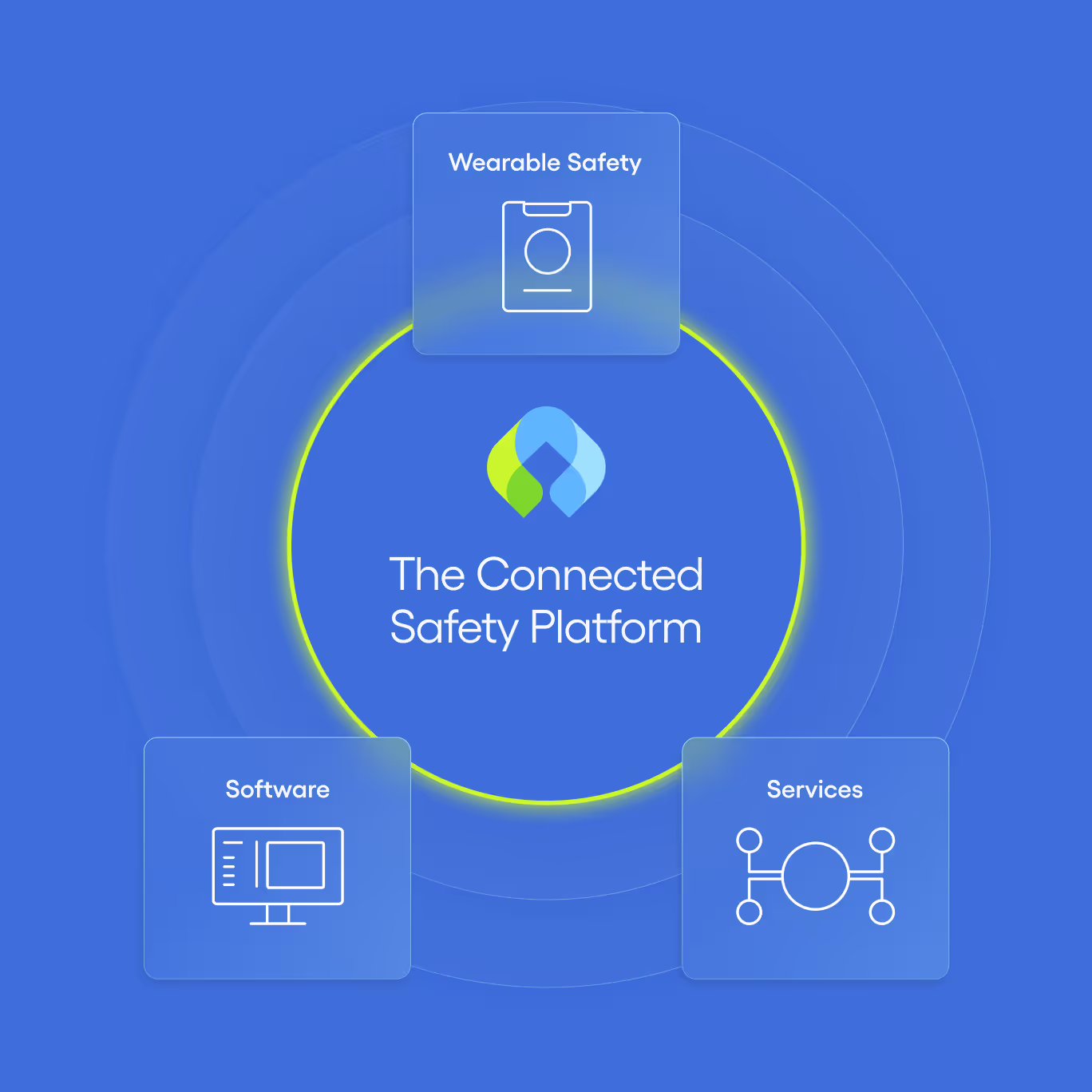
The Canopy Connected Safety Platform combines purpose-built technology, real-time alerts, and partnership-driven service to give staff immediate support and help leaders build a dependable safety culture with proven impact on retention and operational outcomes.
Healthcare workers protected across 1000+ locations
Improvement in staff safety confidence
Average reduction in assaults in first 6 months
A discreet request, an informed response, and a clear flow that supports teams in real moments of care.
Staff can discreetly request help with a double-press of a button and notify the right people instantly.
Support reaches staff in units, on campus, and in nearby home health environments.
Responders receive the information they need to move quickly and confidently.
Reliable hardware stays prepared every shift so teams know it will work when needed.
Quick setup and ongoing support handled by our team so teams can focus on care.
Shaped by the experience of healthcare workers, Canopy adapts to the specific tasks, decisions, and priorities of each role, offering trusted support where it matters most.
















"Anytime the Joint Commission is at your facility, and then they tell you you're an industry best practice... that's the words you want to hear out the door."

Teams feel supported and stay more engaged, helping reduce turnover and build stronger, more stable care environments.
When staff feel safe and steady, patients feel the difference in calmer interactions and more consistent care, supporting better outcomes and long-term loyalty.
Clear processes and reduced disruptions help teams work more effectively, improving staffing, resource allocation, and systemwide performance.
Meaningful data on safety patterns and response behaviors helps leaders address risks early and make informed choices that improve outcomes and financial performance.
Easy to deploy and compatible with existing systems, reducing startup time, lowering technology overhead, and avoiding costly infrastructure changes.
Near misses are far more than "non-events"; they are the invisible backbone of a healthy safety culture.
Canopy’s Connected Safety Platform includes three products. Canopy Protect gives every hospital staff member a wearable duress button that sends silent alerts with precise location. Canopy Go extends that protection to home health workers through a smartphone app with GPS location. Canopy Find locates critical equipment like wheelchairs and IV pumps down to the room.
Yes. Canopy gives hospitals the tools and the data to prevent workplace violence. Duress alerts speed up response, and incident data shows where and when threats happen. Canopy’s data shows an average reduction in assaults in the first 6 months.
Canopy is used by hospitals and health systems, including emergency departments, behavioral health units, pediatric hospitals, and home health teams. Security, nursing, HR, IT, and executive leaders use it to prevent workplace violence and protect staff wherever they work.
Proximate Notifications alert the staff closest to a duress event, not just security. Nearby peers can step in within seconds, often before security arrives. That shortens response time when the first minutes matter most.
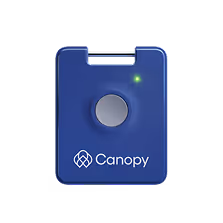
A staff member double-presses the Canopy Button on their badge. Canopy sends an alert with their precise location to security and nearby colleagues, so help can arrive before a situation escalates. Staff don’t have to stop providing patient care to find a fixed panic button. The button battery lasts up to seven years.
Traditional RTLS is usually built for asset tracking and workflow, with safety added later. Canopy starts with staff safety. Duress alerts, location accuracy, and response speed come first, and asset tracking runs on the same network. Hospitals get one platform rather than separate safety and tracking systems.
A real-time location system (RTLS) in healthcare uses wearable badges and tags, plus a sensor network, to show where staff, patients, and equipment are inside a hospital. Most RTLS platforms focus on asset tracking. Canopy builds RTLS around staff safety first, so every alert comes within seconds and with an accurate location.
Canopy is a safety-grade real-time location system (RTLS) for hospitals. Staff wear the Canopy duress button, and a double-press alerts security and nearby colleagues with their precise location. The same LocationID network also locates critical equipment.

A 30-minute demo with a Canopy account executive and one of our clinical strategy leaders. Bring your floor plan and your hardest unit.